The first thing you notice in Seville in June is the heat, but the second thing, and the more important thing, is the quality of the silence.
It is not the silence of empty places. It is the silence of places that are deeply, ferociously alive but have agreed, between three and six in the afternoon, to pretend otherwise. The shutters close. The orange trees throw their black shadows. Cats lie on their sides on the warm stones of small fountains and they do not move, even when you walk past them. A guitar is playing somewhere two streets away, and it is impossible to tell whether it is a recording, a memory, or an actual person.
I came to Andalusia for Torero. I was working on a piece for the journal. I was meant to be researching leather, tanneries, the old craft houses. I came back instead with notebooks full of things I could not have predicted writing.
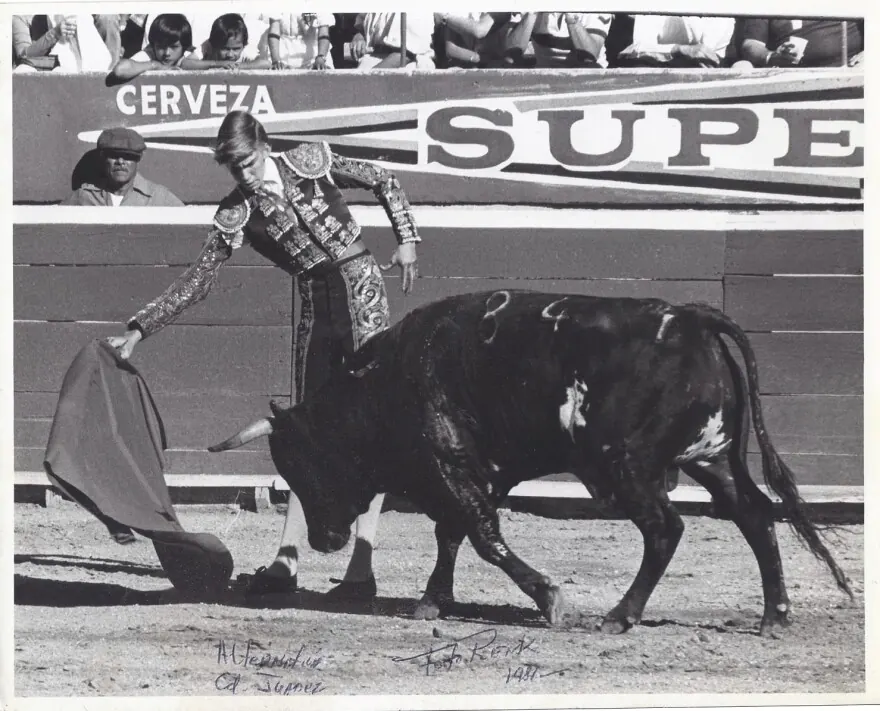
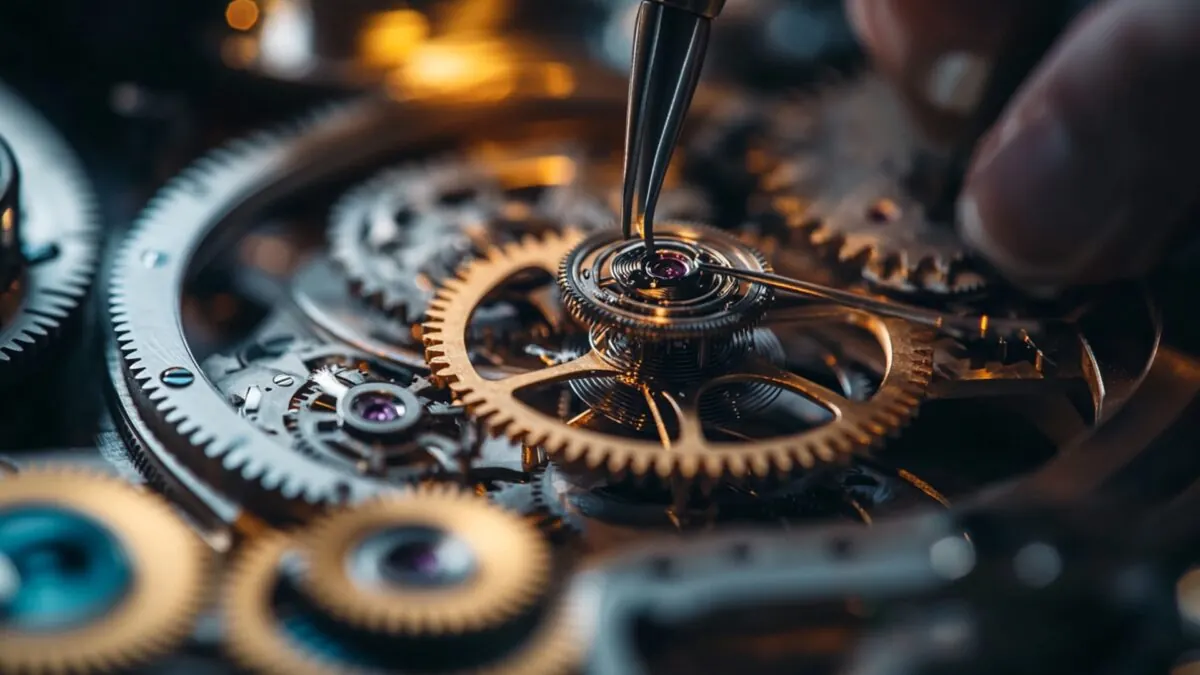
I wrote about a woman in Jerez who taught me how to hold a glass of sherry against the light, and what to look for. I wrote about a horseman in Ronda whose family, he said with a shrug, had been raising bulls “since before the maps were drawn.” I wrote about a cobbler in a town whose name I have promised not to print, who showed me a pair of boots he had been making, on and off, for eleven months for a customer who was not in any hurry.
What I learned, mostly, was that the spirit of this brand, the Italian house with the Spanish name, is not a marketing decision. It is a true thing. There is a particular sensibility that lives between Florence and Seville, between the workshop and the arena, between the patient making of an object and the brief blazing moment of its use. The Italians know how to make. The Andalusians know how to wear. Torero is what happens when those two ways of being find each other and decide to stop arguing.
Tutto ciò che è bello richiede pazienza. Everything that is beautiful requires patience.
On my last evening in Seville, I sat on a small balcony belonging to a woman I had only just met, drinking a wine I did not recognize. The sun was going down behind a church I could not name. A breeze came up from somewhere, from the river probably, and it carried the smell of jasmine and old stone and, faintly, of leather, because someone in the building beneath us was working late.
The woman beside me was very old. She had lived in that apartment, she told me, since 1962. She had been a flamenco dancer, then a teacher, then nothing, “which,” she said, “is the best of the three.”
She lifted her glass and looked at me, and she said, in the slow and careful Italian of someone who learned it from a lover: Tutto ciò che è bello richiede pazienza.
I have not stopped thinking about it since.