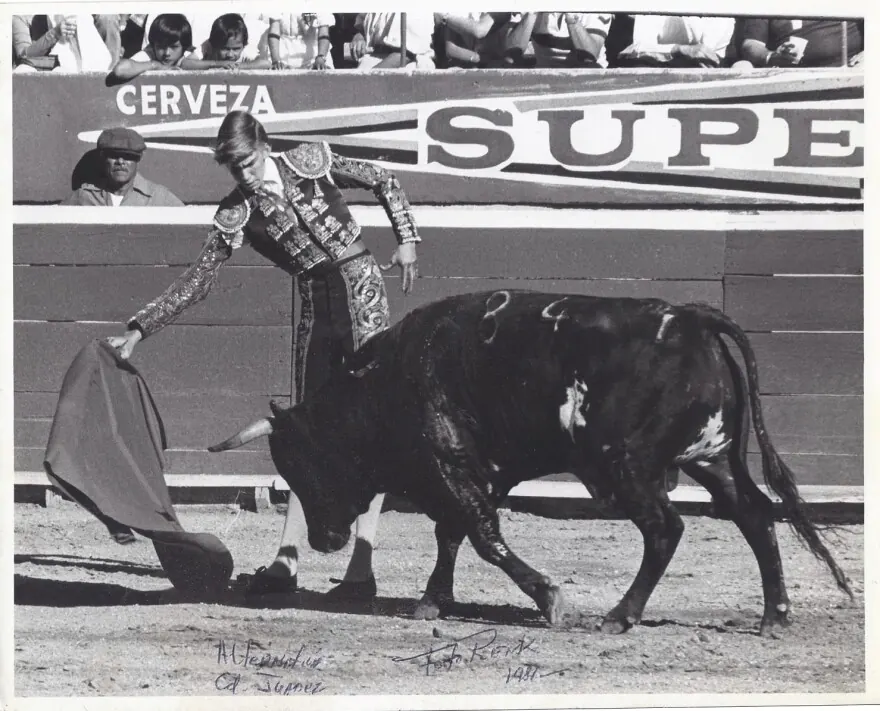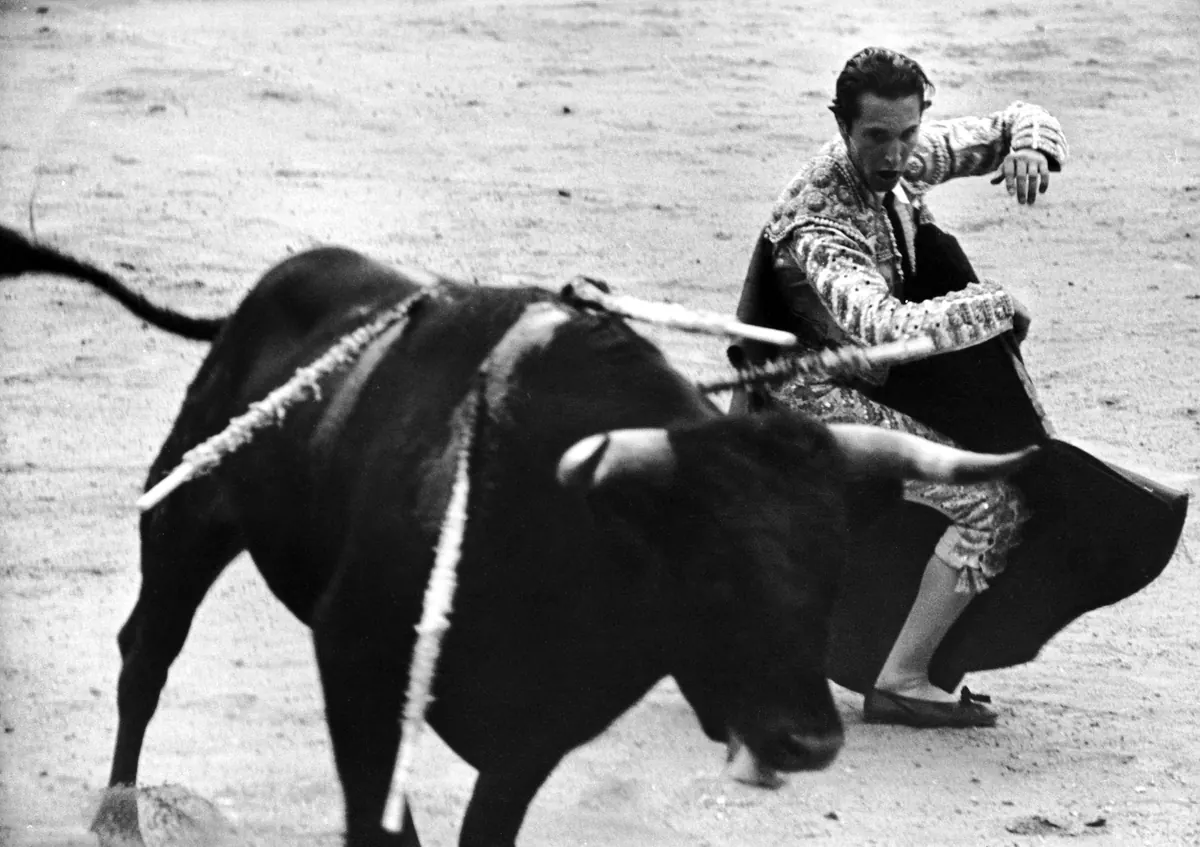
There is an old phrase in Spanish, one that has no clean translation into Italian, although we have been trying for centuries. Cada uno tiene su toro. Every man has his bull.
It does not mean what it sounds like. It does not mean every man has his enemy, or his fight, or his demon. The bull, in this phrase, is not an antagonist. The bull is the thing in your life that is bigger than you, and that will, sooner or later, demand your full attention.
For some of us, the bull is grief. For some, it is ambition. For some, it is the long slow work of becoming the person we suspect we could be, if we were brave enough to try. For most of us, by the end, it is simply time, which is the largest bull of all, and which charges at every one of us, eventually, and cannot be turned aside by any cape.
The torero, in the old understanding, was not a man who killed bulls. He was a man who had agreed to meet his.
This is the philosophy at the core of our house. It is why we put the horns in our mark, and why we put the script across them, and why our objects are made the way they are made. We are not in the business of producing accessories. We are in the business of producing, if you will forgive the seriousness, equipment for moments.
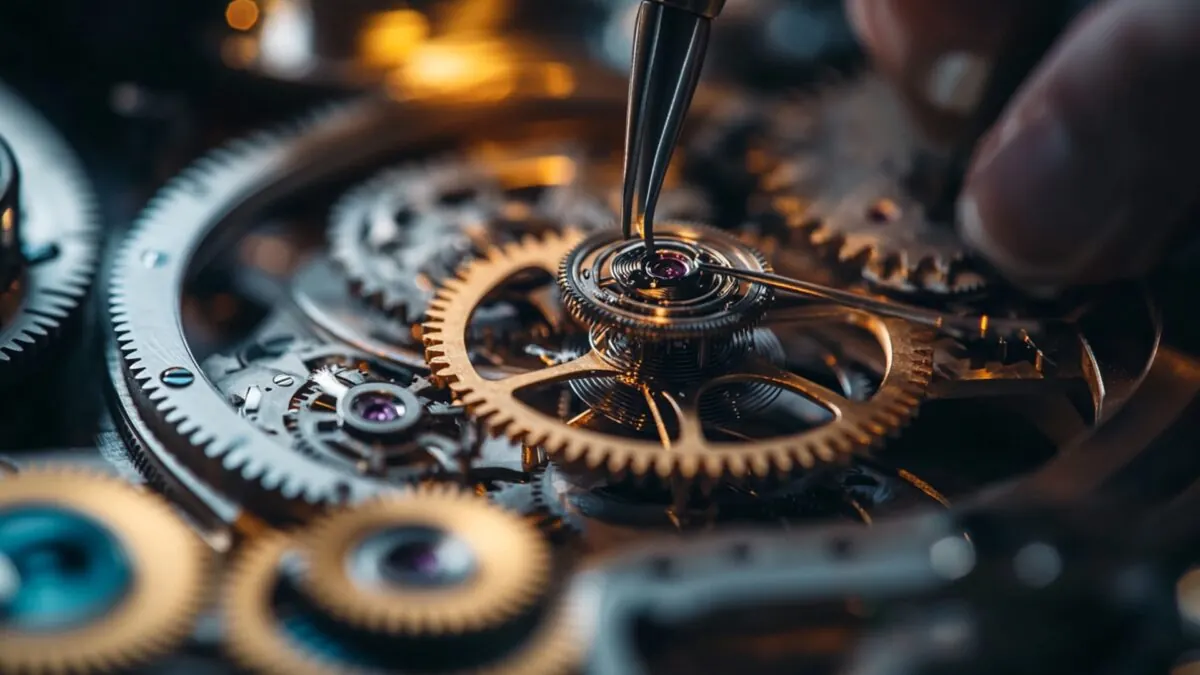
Allow me to explain. A man buys a watch. He thinks he is buying a watch. He is not. He is buying the thing he will glance at, in a hospital corridor, while he waits to find out whether his father has survived the surgery. He is buying the thing his daughter will inherit, decades from now, and put on her own wrist on the morning of her wedding, and look at, and think of him.
A woman buys a coat. She thinks she is buying a coat. She is not. She is buying the thing she will wear on the night she finally says the thing she has been afraid to say for fifteen years. She is buying the shoulder her son will rest his head against, half-asleep, on the long train ride home.
Objects are silent companions in the moments that matter. The better they are made, the longer they last, the more honestly they bear witness.
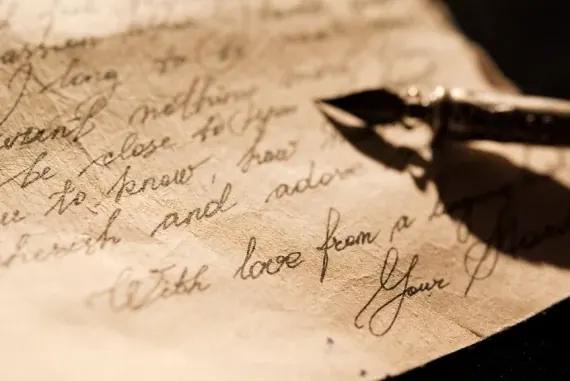
When we make a Torero piece, we are aware, with every cut, with every stitch, that we do not know what the object will see. We do not know whose hand will hold it, or what news will be in the letter that hand will reach for, or what decision will be made while the object is sitting silently on the table beside its owner.
We only know this: that we owe the object, and the eventual owner, and the moment that has not yet happened, our entire attention. This is what the matador owes the bull. This is what the craftsman owes the leather. This is what we owe you.
Every man has his bull. Every woman has hers. The work of a life, if I may say so, is in learning to face it without running, without flinching, without pretending it is something other than what it is.
We cannot give you that courage. No one can. But we can give you something to hold while you find it.